May 26, 2016
Memorial Day Weekend -- many take this time as the official, unofficial signal that verano is here. Summer in DC means it's time to pull out the barbecue supplies for a backyard asado, beach towels to hit the playa, sandals and white shorts, and... chilled rosés. (Admittedly, we are also the kind of people who would drink rosés year-round, even paired with a Christmas ham.)
When people think of wine by category, we often think: red, white, and rosé -- with rosé as another word for "pink". In Spanish, we say rosado. However, this category goes beyond "pink" alone, since we find an entire spectrum of from nearly-clear dusty lavender or peach, to brighter sparkling and light ruby, fruity selections, all the way to deep magenta full-body varieties.
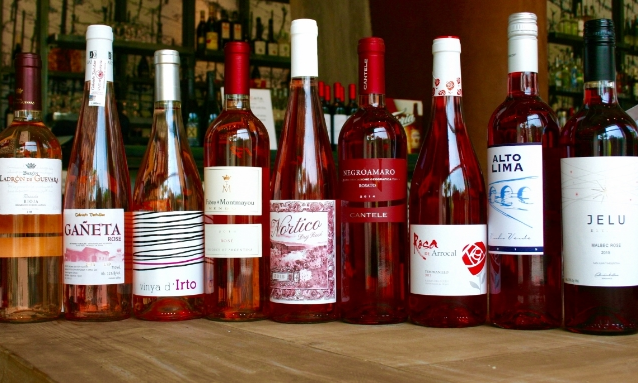
Rosés can be made in three different ways in order to yield such delicious diversity, using either red grapes or a combination of tinto and blanco. Below you'll find a quick explanation for each of the three styles, along with our top picks:
Very common in European, French-inspired producers, saignée (pronounced SEHN-yay) literally means "bleeding" in French. During the first hours of making a traditional red wine, a batch is "bled off" and set aside to become rosé. This separation allows the original red wine to have a more concentrated fermentation (less juice, more skin), and the resulting rosado tends to be lighter from limited contact with the red grape peel.
Red grapes are pressed in stainless steel vats, with cold temperature control to maintain freshness and aromatics. The juice is left to ferment with the skins of the grapes to produce the texture, body, and desired rosé color. This contact can last anywhere from 2 to 24 hours, depending on the vision of the individual winemaker and the grapes being used. After the perfect hue has been achieved, the skins are removed and winemaking process continues.
This style uses a bit of red wine to change a white wine into a rosé. This method is most common to make sparkling wine productions such as Cava, Prosecco, and Champagne. The ratio of the blend will affect overall color and flavor.
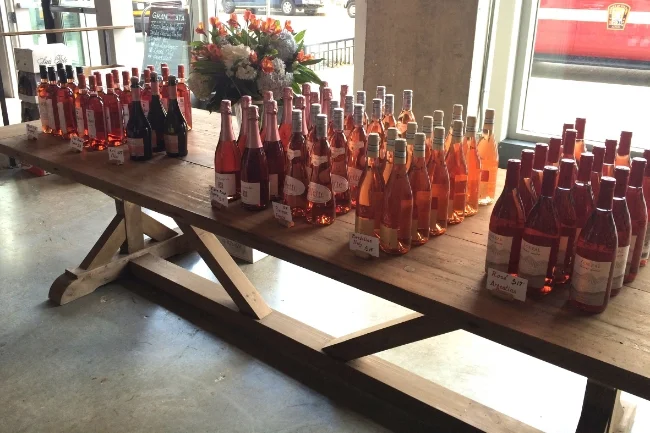
Of course, there can be exceptions and variations to each of the methods described. Grand Cata carries over 20 selections of rosados and they've taken center stage in our store since Day 1. We continue to source more from our favorite regions in the Latin wine world. To be the first to know about these new selections, sign up for our Wine Club. We're often featuring rosados at our Daily Cata counter too, so stop by often!