November 9, 2017
We’d like to let you in on a little secret. Ready? You might not believe us...but…
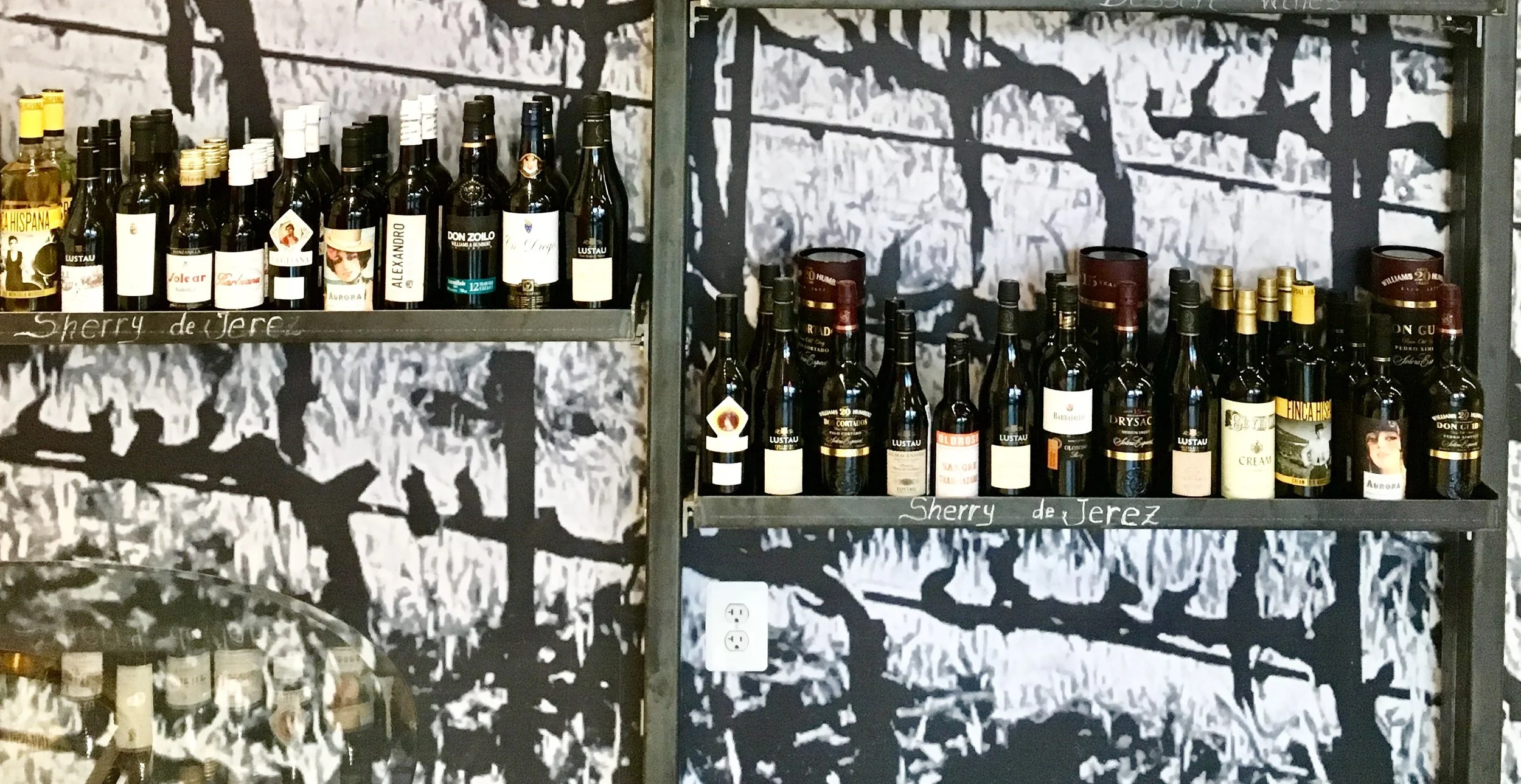
Sherry is amazing! And it’s not just something your Grandma drinks...
So if you think sherry is either just a super sweet, syrupy concoction that doesn’t deserve your time, or is only for cooking, give this post a read. We’re confident you’ll change your mind.
To begin, let’s run through some details:
To understand sherry, you have to learn a bit about a very important concept related to wine in general: oxidization. This fancy word refers to the process that happens when certain organic materials interact with the oxygen in the air. For a simple and easy to picture common example, think about what happens to an apple if you take a bite and let it sit on a table too long. The browning effect comes from the fruit’s flesh oxidizing. If you leave it for hours, you’ll notice that the brown will spread and darken, and the taste of the apple will change too (yes, it safe to eat, just as oxidized wines are safe to drink).
Now, for most wine, oxidation is a fault. Most winemakers have to try very, very hard to keep their wine seperate from oxygen. However, with sherry, the opposite is true. In fact, for most types of sherry, most of the flavors you find derive from extreme oxidization. Sherry makers actually purposefully only fill their barrels about 5/6ths (or “two fists from the top”), so that there is plenty of air in them to interact with the wine.
Speaking of barrels, let’s have a look at what truly makes sherry production fascinating and special. Over many, many, many iterations, sherry producers developed a process called the “Solera Criadera System.” The system works roughly like this:
When you get a bottle of sherry, it cannot have a vintage, because the wine in the bottle is not the product of one year, but many, sometimes hundreds. Sometimes, however, producers will put on the bottle the year that they started the solera.
We need to cover one final bit of information before we run through the different styles. For two of the types, Fino and Manzanilla, a practically magic thing must happen: a tiny, waxy film of yeast forms on the surface of the wine, protecting it from oxygen and imparting its own unique and subtle flavors. In Jerez they call this phenomenon the “flor,” or flower, because of how it blooms so quickly. Fascinatingly, this yeast can only survive in Jerez. Scientists and winemakers wanting to make their own version of sherry elsewhere have tried to transplant the flor, and the yeast as so far always died. Some types of sherry can literally only be made in and near Jerez because of this.
So there you have it! We hope that our mission of opening your mind about sherry has worked. Have a read through the different styles and see what jumps out at you. We’ve got some of each type, should you decided to give sherry a shot.
Styles from driest to sweetest:
Manzanilla: a light version of Sherry that is bright, briny, salty, with balanced acidity, showcasing tart green apples, pronounced minerality - the perfect balance of fresh and complex. This style is meant to be drunk young, slightly chilled and paired with manchego, fresh olives and boquerones.
Fino: a light version of Sherry, bright, briny, slightly oxidative with aromas of toasted almonds, dry pear and apple. It possesses fresh acidity, making it perfect for seafood. Enjoy lightly chilled.
Amontillado: medium bodied wine with slightly higher alcohol than fino or manzanilla, amontillado has a rich tawny color and is very aromatic and nutty. Its flavors include dried apricot, peaches, hints of honey, fig and caramel. It remains bright and fresh, and offers a long finish. Amontillado can be dry and off-dry. Pairs well with cured meats and creamy cheeses with quince paste.
Palo Cortado: mahogany colored, Palo Cortado is generally considered the style of sherry with the highest ceiling in terms of quality and complexity. It marries the freshness and elegance of amontillado with the ultra-nuttiness and intense aromatics of Oloroso.
Oloroso: medium plus in body with a dark tawny color; aromatic and highly oxidized, oloroso literally means “fragrant” in spanish. The flavors include dry stone fruits, hints of balsamic vinegar, black olives, and it has a long pronounced finish. Oloroso can also be versatile, dry, to off dry and very complex. Pairs well with blue cheeses, marcona almonds and jamón ibérico.
Cream Sherry: a medium plus body, generally sweet Sherry that is ripe, oxidized, and complex. It showcases cooked stone fruits with hints of figs, caramel, honey, and orange peel. Despite its sweetness it has a clean finish with a fresh acidity that makes it enjoyable by itself.
Pedro Ximenez: a full body Sherry and sweetest of them all. Rich, thick, almost syrupy showcasing ripe cooked raisins, dates, plums, dark fruit marmalade, with hints of licorice, cassis with some herbs and spices. This is definitely a dessert wine that you can pour on top of fresh vanilla ice-cream with sautéed bananas with brown sugar and brandy reduction. Note: this is the only type of sherry not made with palomino. Instead, Pedro Ximenez is the name of the grape.